Yara Lange · 4 October 2026
The Intersection of Material Science and Crate Engineering: Advancements Benefiting the Renewable Energy Sector
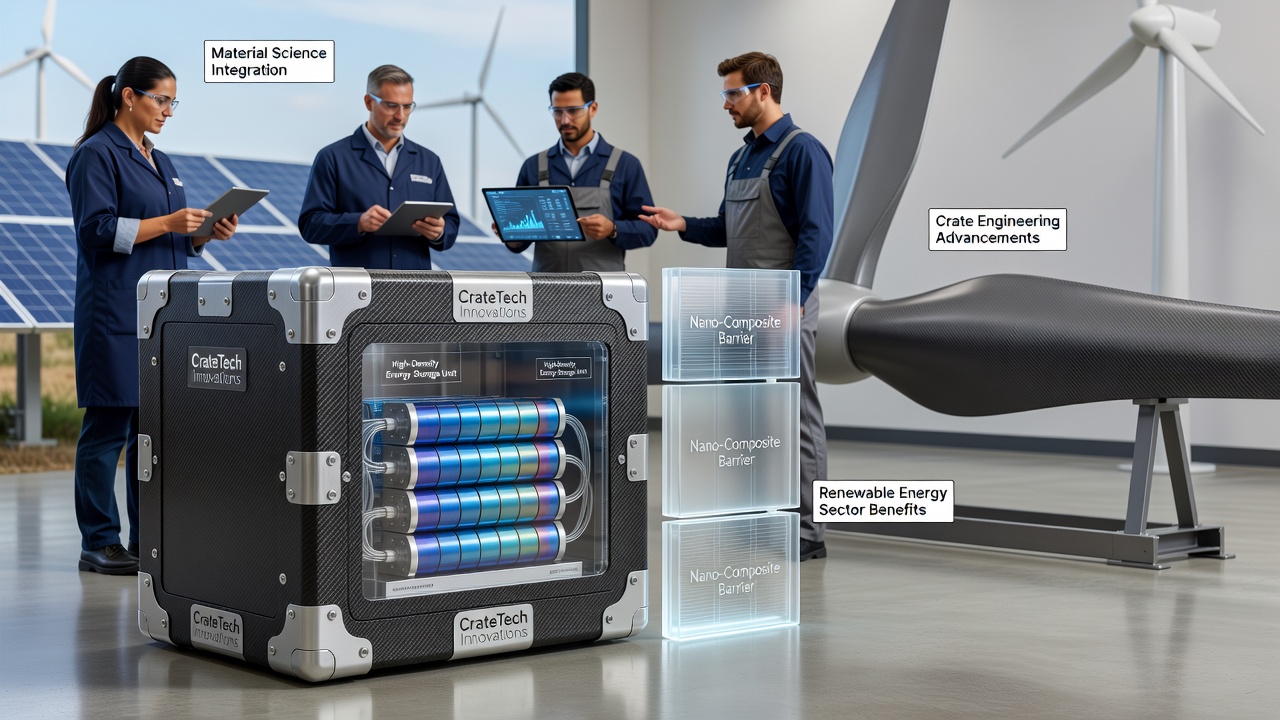
Material science and crate engineering have converged to address the unique demands of renewable energy logistics, where components such as wind turbine blades, solar arrays, and battery storage units require specialized protection during transit and storage. Researchers have developed high-performance composites and hybrid polymers that reduce crate weight while increasing impact resistance, which allows carriers to handle larger loads without compromising structural integrity. Data from industry reports show that these material upgrades have lowered transportation-related damage rates in the renewable sector by measurable margins over the past five years.
Material Innovations Driving Crate Performance
Advanced fiber-reinforced polymers and nano-enhanced resins now form the backbone of modern crate designs, and these substances provide corrosion resistance essential for coastal wind farm installations where salt exposure accelerates wear on traditional wood or metal containers. Engineers integrate phase-change materials into crate walls to stabilize internal temperatures during long-haul shipments of lithium-ion battery packs, which prevents thermal degradation that could otherwise compromise energy storage capacity. Studies conducted at research institutions across Europe and North America indicate that such temperature-controlled crates maintain component viability at rates exceeding 98 percent under variable climate conditions.
Self-healing coatings applied to crate surfaces represent another development that extends service life through autonomous repair of minor abrasions and cracks. This technology draws from polymer chemistry research and activates upon exposure to moisture or mechanical stress, which reduces the frequency of crate replacements in high-volume renewable energy supply chains. Observers note that deployment of these coatings has coincided with expanded offshore wind projects scheduled for completion phases around October 2026, when several major European installations reach operational milestones.
Applications in Wind and Solar Equipment Transport
Wind turbine blades often exceed 80 meters in length, which creates logistical challenges that standard crating cannot accommodate without excessive segmentation or custom reinforcements. Material science teams have engineered modular crate systems using carbon-fiber-infused frames that disassemble for return shipping while maintaining rigidity during initial transport, and this approach cuts fuel consumption because lighter assemblies allow more efficient vehicle loading. Figures released by the International Renewable Energy Agency reveal that optimized crating methods have contributed to a documented decline in logistics costs for utility-scale wind projects in multiple regions.
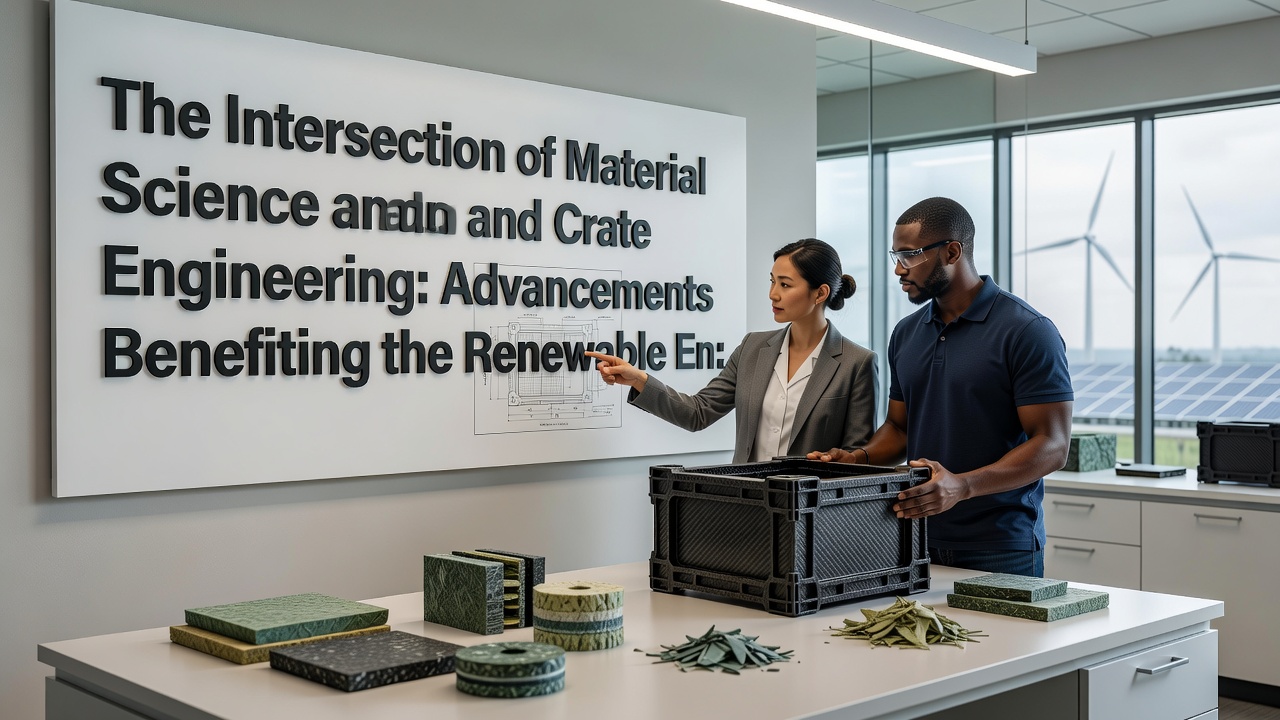
Solar panel shipments benefit from crates incorporating anti-static layers and vibration-dampening inserts derived from recent elastomer research. These features protect delicate photovoltaic cells from microfractures that reduce efficiency over time, and field data collected from North American solar farms confirm lower rejection rates at installation sites when such engineered containers are used. Supply chain managers report that integration of embedded RFID sensors within crate walls now enables real-time tracking of humidity and shock levels, which supports compliance with quality standards required by grid operators.
Sustainability and Lifecycle Considerations
Recyclable and bio-based crate materials have gained traction because renewable energy developers prioritize end-of-life management that aligns with overall project sustainability goals. Research from Australian institutions has examined crates constructed from mycelium composites and recycled ocean plastics, which demonstrate comparable strength to conventional options while decomposing more readily after multiple reuse cycles. Government agencies in Canada have begun incorporating these material specifications into procurement guidelines for public renewable energy initiatives, and this shift reflects broader efforts to minimize packaging waste across the sector.
Closed-loop systems that return crates to manufacturers for refurbishment further reduce raw material demand. Companies operating in the United Kingdom and Germany have piloted programs where sensor data informs predictive maintenance schedules, which extends crate usability and lowers the carbon footprint associated with frequent replacements. These programs operate alongside larger renewable capacity additions planned through late 2026.
Future Directions and Industry Integration
Collaboration between material scientists and crate manufacturers continues to produce prototypes that incorporate graphene additives for enhanced thermal conductivity and electromagnetic shielding. Such features prove relevant for next-generation solid-state batteries that require protection from external fields during transport. Industry organizations tracking renewable deployment statistics project continued growth in specialized crating demand as global installation targets accelerate.
Standardization efforts led by international bodies aim to establish performance benchmarks that incorporate both mechanical strength and environmental impact metrics. These guidelines draw from ongoing trials in diverse climates and help ensure that crate engineering advancements translate consistently across supply chains serving solar, wind, and emerging hydrogen infrastructure projects.
Conclusion
The convergence of material science and crate engineering delivers measurable improvements in the protection and efficiency of renewable energy component logistics. Through lighter composites, temperature regulation, sensor integration, and recyclable formulations, these developments support larger-scale deployments while addressing durability and sustainability requirements. Continued research and cross-sector application will shape how equipment reaches installation sites in the years ahead.