Sam Hoffmann · 6 September 2026
Reimagining Package Handling: A Deep Dive into Customizable Crate Solutions for Enterprise Environments
Enterprise logistics teams face mounting pressure to streamline package handling across global supply chains, and customizable crate solutions have emerged as a practical response to those demands. These systems allow organizations to adjust dimensions, materials, and integrated tracking features based on specific cargo requirements rather than relying on fixed one-size-fits-all containers. Data from the U.S. Bureau of Transportation Statistics shows that freight volume handled through such adaptable systems increased steadily between 2022 and 2025, reflecting broader adoption in manufacturing and distribution sectors.
Core Components of Customizable Crate Systems
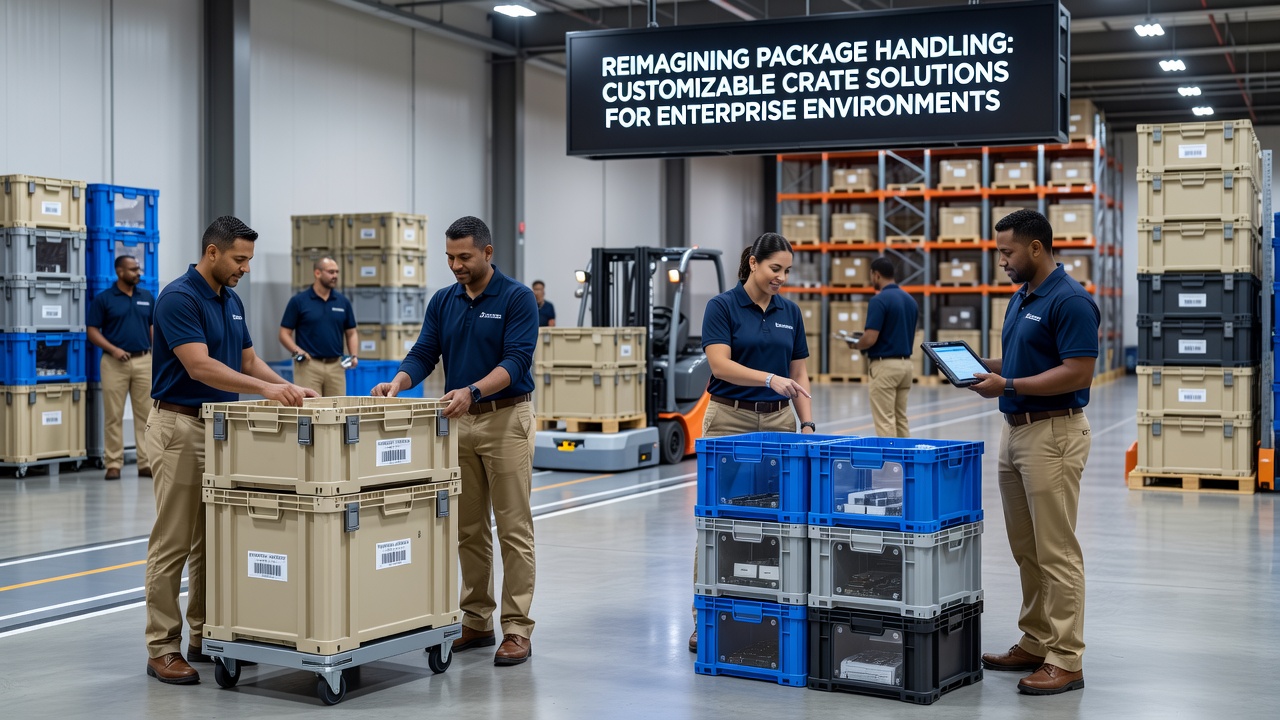
Modern crate designs incorporate interchangeable panels, reinforced corner joints, and embedded sensor mounts that support real-time monitoring of temperature, humidity, and impact during transit. Manufacturers produce these units from recycled composites or lightweight aluminum alloys, which maintain structural integrity while reducing overall shipping weight compared to traditional wooden pallets. Research published by the Australian Department of Infrastructure indicates that enterprises using modular crates reported a measurable drop in packaging waste volumes during the 2024 fiscal year, particularly in sectors moving electronics and pharmaceuticals.
Configuration software now lets planners input cargo specifications and receive recommended crate layouts within minutes, which cuts down on manual measurement errors that previously caused delays at loading docks. Integration with warehouse management platforms allows automatic updates to inventory records whenever crates are assembled or disassembled on site.
Implementation Patterns Across Industries
Automotive suppliers have adopted crates with adjustable internal dividers that secure components of varying sizes during just-in-time deliveries, while food distributors rely on crates fitted with ventilation channels and antimicrobial coatings to preserve freshness over longer routes. Observers note that these tailored approaches align crate features directly with regulatory standards set by different regions, such as EU packaging directives that emphasize recyclability targets for 2025 onward.
Operational Metrics and Tracking Advances
Enterprises deploying sensor-equipped crates gain access to granular data on handling events throughout the journey from factory floor to final destination. Studies conducted by Canadian supply chain researchers found that visibility into shock and tilt events helped reduce product damage claims by measurable percentages in 2023 trials involving heavy machinery parts. The same datasets revealed that companies could optimize route planning when crates transmitted location and condition updates directly into existing enterprise resource planning systems.
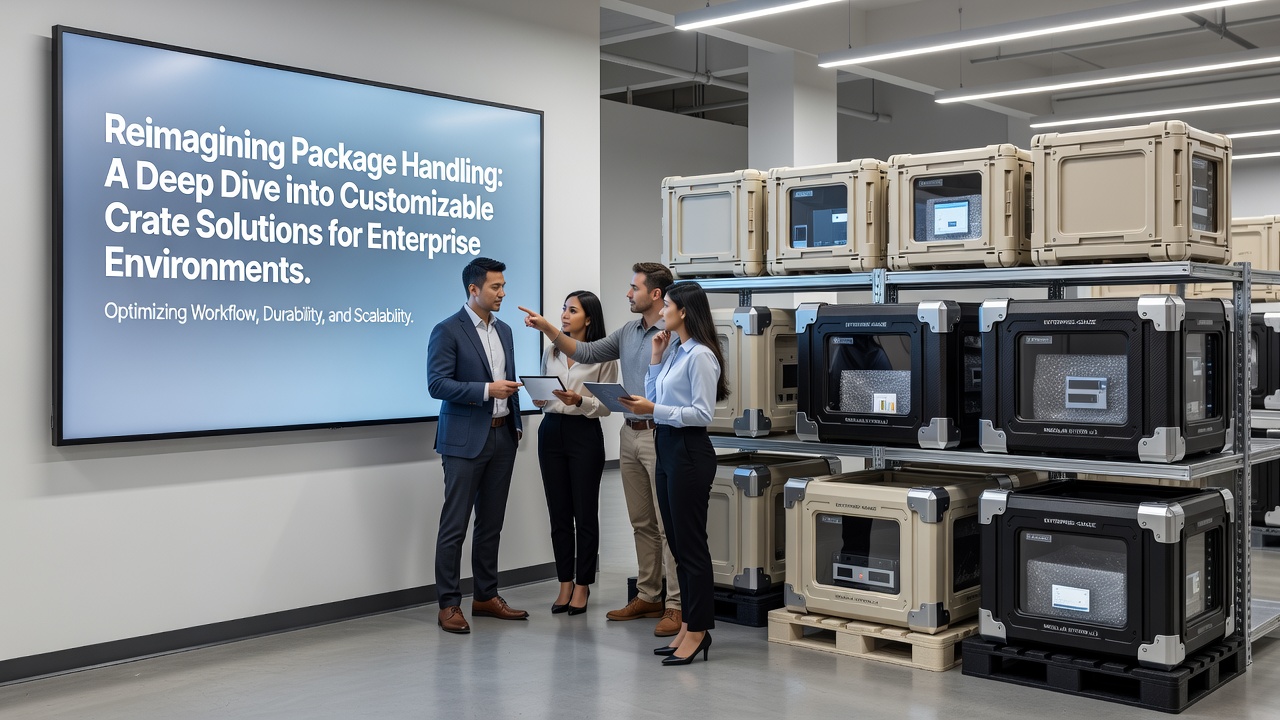
September 2026 is expected to bring updated international freight documentation standards that will require more precise recording of packaging configurations for cross-border shipments, according to preliminary guidance from the World Customs Organization. Companies already using digital crate records stand positioned to meet those requirements without major system overhauls.
Material Innovations Driving Adoption
Material science advances have produced crate exteriors that withstand repeated sterilization cycles and extreme temperature swings without degrading, which suits industries handling medical supplies or hazardous materials. Recycled polymer blends now match the strength-to-weight ratios of virgin plastics in many applications, and lifecycle assessments from European research institutions confirm lower carbon emissions across multiple reuse cycles. Enterprises report that switching to these materials aligns with corporate sustainability reporting frameworks while maintaining compliance with transport safety regulations in North America and Asia-Pacific markets.
Conclusion
Customizable crate solutions continue to reshape how enterprises manage package handling by matching container specifications to actual cargo needs and integrating data collection tools that support compliance and efficiency goals. As freight volumes grow and documentation requirements tighten ahead of 2026 updates, organizations that adopt these adaptable systems gain measurable advantages in cost control and operational resilience. Industry reports from multiple regions document consistent patterns of reduced damage, lower waste, and improved tracking accuracy when modular designs replace static packaging methods.